
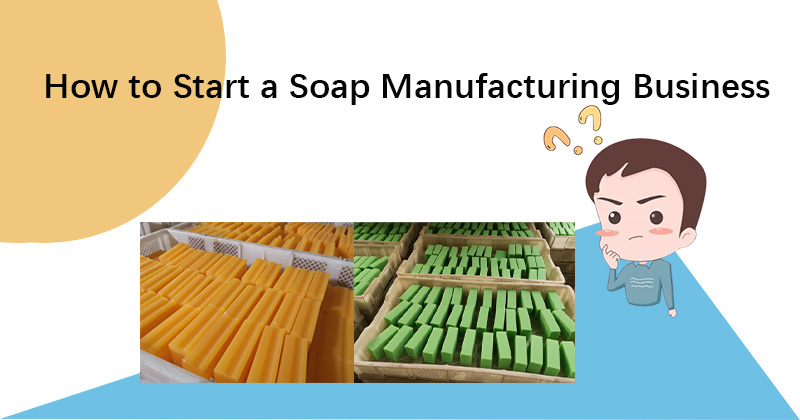
Starting a soap manufacturing business can be a profitable venture, especially with the growing demand for natural, organic, and eco-friendly products. However, like any business, it requires careful planning and execution. Here’s a step-by-step guide to help you get started:
1. Research and Understand the Market
- Identify your niche: Determine the type of soap you want to make (e.g., bar soap, liquid soap, natural soap, medicated soap, luxury soap, etc.). Consider trends in the market, such as organic or handmade soaps.
- Target audience: Identify who you are selling to (e.g., beauty enthusiasts, people with sensitive skin, eco-conscious consumers, etc.).
- Competitors: Study the competition in your area or online. This will help you understand pricing, packaging, and marketing strategies.
2. Create a Business Plan
A well-written business plan helps guide your business and attract investors or lenders. Your plan should include:
- Executive Summary: Outline your business idea, goals, and vision.
- Market Analysis: Research your target market and competitors.
- Product Line: Define the soaps you’ll be manufacturing and any variations (e.g., scents, shapes, sizes).
- Marketing Strategy: How will you attract customers? Think about online sales, local stores, or partnerships with beauty shops.
- Operational Plan: This includes sourcing raw materials, production processes, equipment, and staffing.
- Financial Plan: Estimate your startup costs (equipment, raw materials, packaging, etc.) and set financial goals. Include pricing strategy, revenue forecasts, and break-even analysis.
3. Choose a Business Location
- Home-based vs. Commercial: Many soap manufacturers start from home, especially if you’re small-scale. However, if you plan to produce large quantities, you might need a dedicated space or a small factory.
- Location considerations: Choose a location that’s easily accessible to suppliers, has good infrastructure, and is cost-effective.
4. Legal Requirements and Licenses
- Register your business: Choose a business name and structure (sole proprietorship, partnership, LLC, etc.).
- Business licenses and permits: Obtain the necessary licenses for manufacturing and selling soap. This can vary depending on location, but typically involves:
- Health department certifications (for skin products)
- Business operating license
- Sales tax permit (if applicable in your state or country)
- Comply with regulations: Make sure your soaps are safe for consumers. If making claims like “organic” or “hypoallergenic,” ensure they meet those standards.
5. Source Raw Materials
You’ll need the right ingredients to make soap, including:
- Base ingredients: Oils (coconut, olive, palm, etc.), lye (sodium hydroxide), water.
- Additional ingredients: Essential oils, fragrances, colors, exfoliants (e.g., oatmeal, coffee), and additives like shea butter or aloe vera.
- Packaging: Choose eco-friendly, attractive packaging (boxes, wraps, labels) that fits your brand.
Build relationships with reliable suppliers to ensure quality ingredients at competitive prices.
6. Set Up Your Manufacturing Process
There are several methods of soap making:
- Cold Process Soap: The most traditional and time-consuming method. It requires mixing oils and lye and letting the soap cure for weeks.
- Hot Process Soap: A faster method, where the soap is cooked to speed up the curing process.
- Melt and Pour Soap: A beginner-friendly method where you melt a pre-made soap base and add colors and fragrances.
- Liquid Soap: The process of making liquid soap involves mixing oils, lye, and water with other ingredients.
Depending on your method, you will need specific equipment, such as mixing tools, molds, heating systems, and packaging machines.
7. Branding and Packaging
- Brand Identity: Develop a unique brand identity, including your logo, business name, and brand story. The right brand can make your soap stand out.
- Packaging Design: Your soap’s packaging should reflect your brand and appeal to your target audience. For example, if you’re making organic soap, use eco-friendly materials.
8. Marketing and Sales
- Build a website: Set up an e-commerce website where customers can purchase your soap directly. Invest in SEO (Search Engine Optimization) to rank well on search engines.
- Social media: Use Instagram, Facebook, and Pinterest to showcase your products, share customer testimonials, and promote sales. Soap-making is a visual business, so photos of your soaps are key.
- Collaborations: Partner with local beauty shops, spas, or boutiques to sell your soap.
- Online marketplaces: Consider listing your soap on platforms like Etsy, Amazon, or other online retailers.
- Offline sales: Consider selling your soap at local markets, fairs, or in retail stores.
9. Pricing Strategy
- Determine the price based on the cost of production, packaging, shipping, and overhead. Factor in your target profit margin, but also keep it competitive with other brands.
- Bulk pricing: Offer discounts for customers who buy in bulk.
10. Start Small and Scale
- Begin with small batches to test your products and make sure you can manage production and customer orders.
- Gather feedback from your first customers to improve your soap formula or packaging.
- As your business grows, expand your product line and explore new sales channels.
11. Quality Control
- Always test your soap before selling it to ensure it’s of the highest quality.
- Keep records of your production processes, including ingredient quantities, manufacturing steps, and any issues that arise.
12. Keep Up with Trends and Customer Preferences
The soap industry is constantly evolving, with new ingredients and product types becoming popular. Stay updated on market trends and consumer feedback to refine your product line and ensure long-term success.
Starting a soap manufacturing business requires time, effort, and creativity, but it can be very rewarding if done right. Good luck with your venture, and let me know if you need help with any specific step! Click here to contact us for more information.