
Introduction
If you run a bar soap factory, a handmade soap brand, or a hotel amenity soap production plant, you are probably familiar with one stubborn bottleneck: manual soap wrapping. Many small and medium soap manufacturers start by hand-wrapping soap bars to save upfront investment, but as order volumes grow, this old method slowly becomes the biggest obstacle to scaling your business.
Manual wrapping may seem simple at first glance. Workers fold paper, seal film, and arrange soap one by one. Yet it creates hidden costs, quality instability and production delays that hurt your profit margin and brand reputation. That is where a reliable soap packaging machine comes in.
In this article, we break down the main pain points of manual soap wrapping and explain how automatic soap wrapping equipment helps soap producers overcome these challenges. We will also briefly introduce the common soap packaging machine types for different wrapping styles, including double paper wrapper, pleat wrapper, flow pillow pack machine, 3D film overwrapper and cartoning machine.
1. Slow Output & Bottlenecked Production
Manual soap wrapping is extremely labour-intensive. Even a skilled worker can only wrap a limited number of soap bars per minute, usually between 8 to 15 pieces, depending on wrapping complexity. For pleated wrapping or double paper wrapping, the speed drops even lower because the folding steps require careful hand control.
When your soap making line runs steadily, the packaging station quickly becomes the bottleneck. Your soap extruder, cutter and stamping machine can keep producing bars, but finished soap piles up waiting to be wrapped. You cannot fulfil bulk orders for hotel soap, supermarket toilet soap or wholesale handmade soap on time.
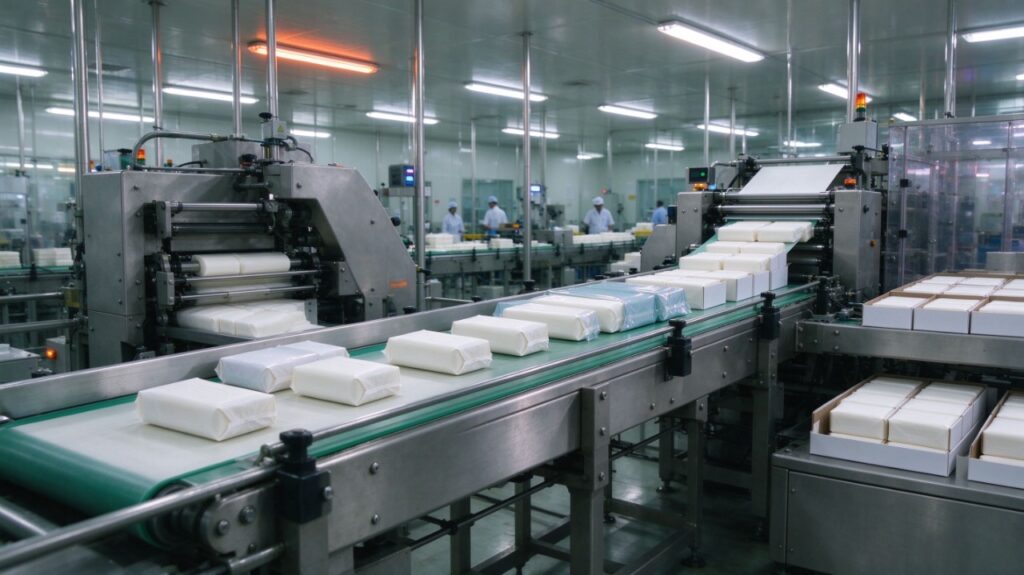
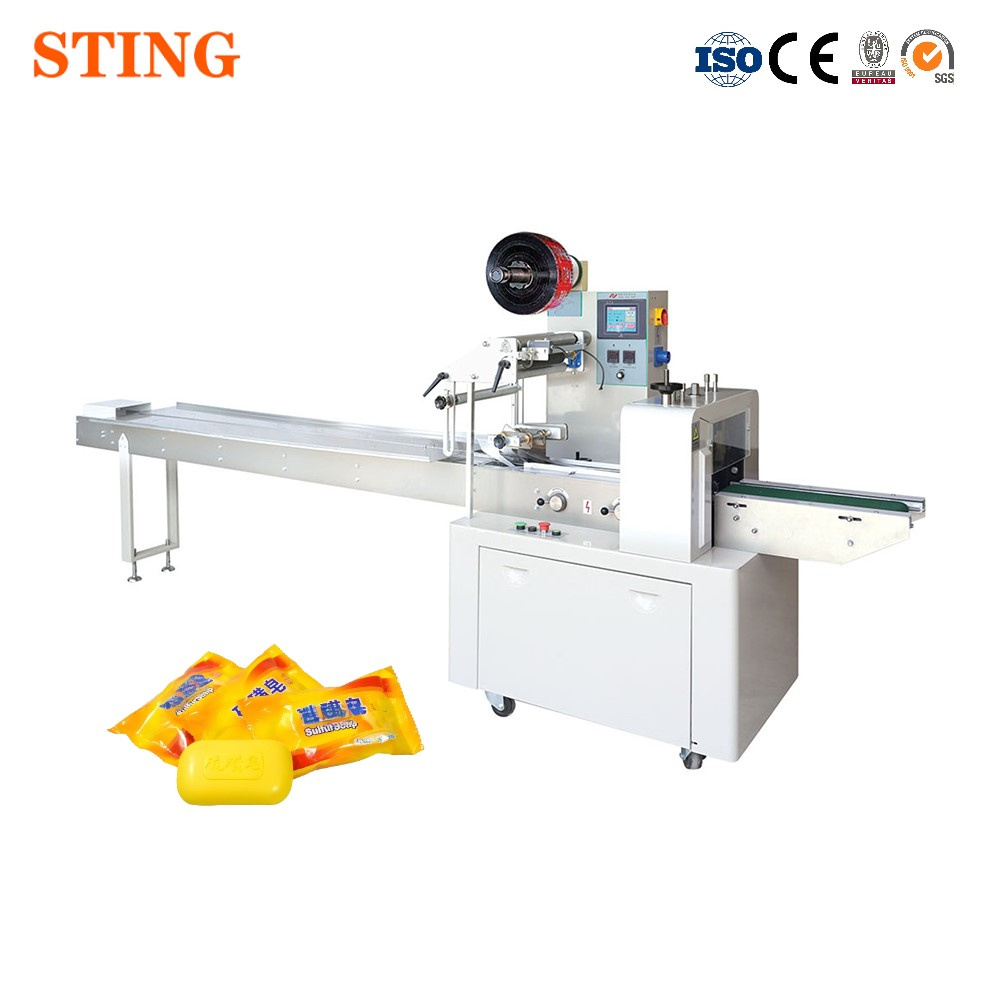
An automatic bar soap packaging machine fixes this issue. A soap flow pack machine can reach high speed for simple pillow packaging, while dedicated double paper soap wrapping machines and pleated soap wrapping machines deliver stable, continuous output matched to your soap production line. You can synchronise wrapping speed with your soap making machine to keep the whole line balanced.
2. Unstable Packaging Quality & High Reject Rate
Consistency is the foundation of brand trust, especially for retail soap products. Manual wrapping naturally brings inconsistency: uneven folds, crooked paper, loose seals, misaligned printed logos, and variable tightness on every soap bar.
The problem gets worse for high-glycerin handmade soap. Soft, oily soap bars easily stick to wrapping paper when handled repeatedly by hands. Workers may tear the paper or leave oil marks on packaging. Some bars are wrapped too loose and shift inside the pack; others are folded too tight and crease the printed surface. During shipping and storage, poorly wrapped soap is more likely to open, get dusty, or lose fragrance.
A soap packaging machine runs with fixed servo parameters and precise folding mechanisms. Every soap bar gets the same fold position, seal pressure and wrapping tension. Whether you use double paper, pleated wrapping, BOPP film for 3D overwrapping or pillow flow packs, the finished appearance stays uniform. This drastically cuts scrap rate and reduces complaints from distributors and retailers.
3. Rising Labour Cost & Hard-to-Hire Packaging Workers
Packing soap is repetitive, low-value manual work. Workers need to repeat folding and sealing for hours, which leads to fatigue, high turnover and continuous hiring pressure. In many regions, labour costs keep climbing, and it is getting harder to find stable staff for simple wrapping jobs.
When order volumes fluctuate, the problem becomes more serious. You need extra temporary workers for peak seasons, which increases training cost and quality risk. If workers leave suddenly, your whole packaging station stops.
Investing in an automatic soap wrapper reduces your reliance on a large packaging team. One operator can monitor several machines or an entire soap packaging line. You reallocate your labour force to higher-value tasks such as quality inspection, mould change, formulation adjustment and order management, instead of repetitive folding work. For factory owners, this is one of the clearest ROI benefits of a soap packaging machine.
4. Hygiene Risks & Cosmetic Compliance Pressure
Bar soap belongs to cosmetic and personal care products. Many markets, including EU, Middle East and Africa, have strict hygiene requirements for toilet soap and handmade soap. Direct hand contact with soap bars and packaging materials introduces contamination risks: sweat, oil, dust and foreign particles can transfer onto soap surfaces and wrapping paper.
This risk is especially critical for premium handmade soap and organic soap lines, where buyers expect clean, untouched products. If your packaging fails hygiene audits, you may lose export access or large retail contracts.
Automatic soap wrapping machines with 304 stainless steel contact parts avoid direct hand contact between workers and soap bars. The soap travels along conveyor and feeding guides, wrapped and sealed automatically. It helps you meet cosmetic hygiene standards and export requirements such as CE certification for soap machinery.
5. High Waste of Packaging Materials
Manual wrapping usually creates more material waste. Workers often cut extra paper or film to make folding easier. When they make mistakes, the printed wrapping paper or composite film is thrown away directly. For custom printed packaging, this waste is expensive.
Soap packaging machines use fixed feeding length, automatic tracking and precise cutting systems. The machine uses exactly the required length of paper or film for each bar. For expensive packaging like luxury pleated wrapping paper or branded BOPP film for 3D overwrapper, material savings add up significantly over thousands of soap bars.
6. Limited Packaging Style & Low Brand Upscale Potential
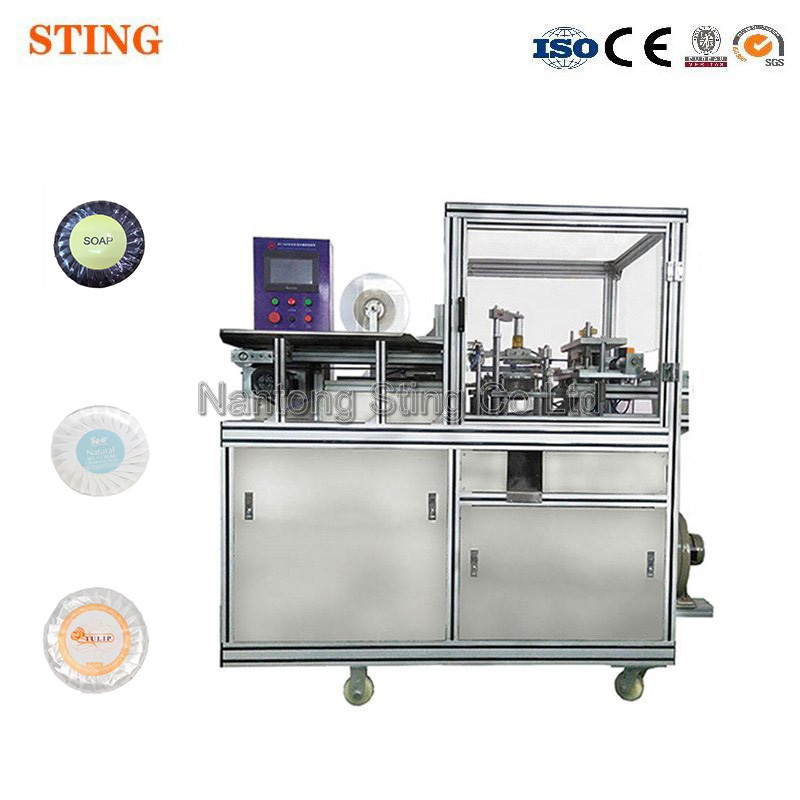
If you only rely on manual wrapping, complex premium packaging styles are difficult to produce at scale. Beautiful pleated wrapping for artisan soap, neat double-layer paper wrapping for classic toilet soap, transparent 3D film wrapping with tear string for gift soap boxes, all demand stable, precise folding that is hard for human hands to repeat consistently.
These premium packaging formats are exactly what help soap brands raise product value and win higher margins.
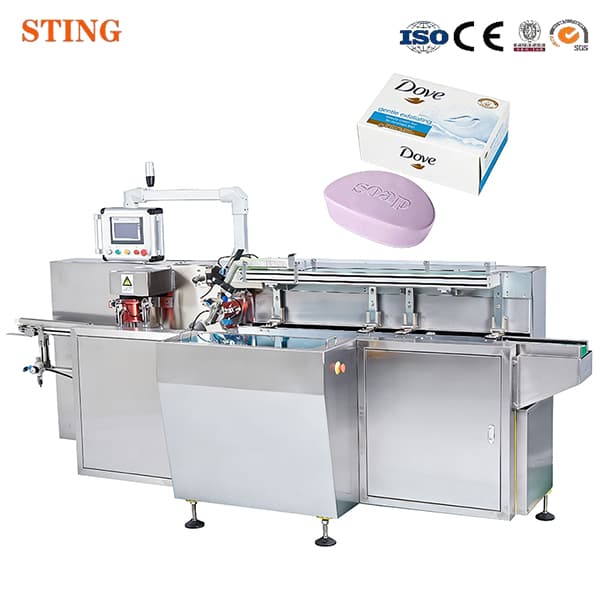
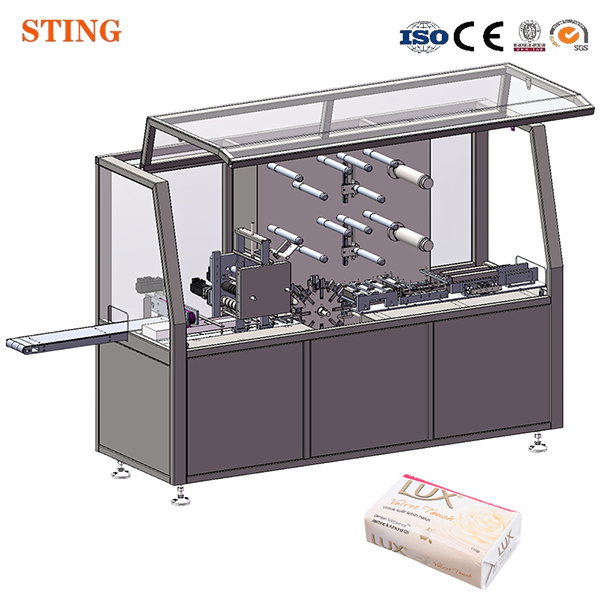
With different types of soap packaging machines, you can expand your product portfolio freely:
7. Poor Scalability for Growing Soap Business
Many soap makers start small, with manual wrapping for local sales. But once you win wholesale orders, export enquiries or supermarket listings, manual wrapping cannot keep up. You cannot quickly double your output just by hiring more workers, because training and quality control take time.
A soap packaging machine is scalable equipment. You can start with a standalone wrapper first, then later connect it with soap feeding, sorting and cartoning machines to build a full automatic soap packaging line. It matches your long-term growth, whether you are a small startup soap workshop or a medium-sized soap factory.
Which Soap Packaging Machine Is Right For You?
After understanding the downsides of manual soap wrapping, the next step is selecting the correct wrapper for your soap type and packaging style:
- Low-cost, high-volume hotel soap: soap flow pack machine
- Classic toilet soap with double-layer paper: double paper soap wrapping machine
- Luxury handmade soap with decorative folds: pleated soap wrapping machine
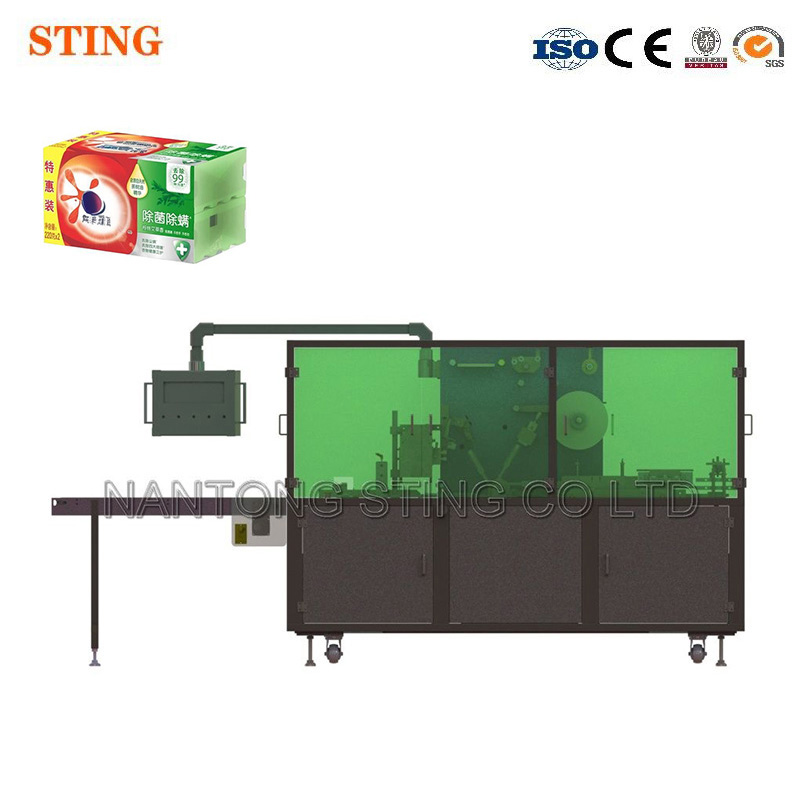
- Gift soap boxes with transparent film: 3D film overwrapper
- Secondary box packing: automatic soap cartoning machine
If you are unsure which model fits your soap size, weight and wrapping material, we can run a free soap wrapping test with your samples.
Conclusion
Manual soap wrapping works for tiny batches, but it creates slow speed, inconsistent quality, high labour cost, hygiene risks and material waste that limit your soap business growth. An automatic soap packaging machine is not only a speed upgrade; it stabilises your packaging quality, protects your brand image, reduces long-term operational cost and unlocks premium packaging styles for higher profit.
Whether you produce laundry soap, toilet soap, hotel amenity soap or premium handmade soap, automating your wrapping station is a logical step once you want to scale up production and win more export and wholesale orders.
CTA
Need to check which soap packaging machine matches your product? Send us your soap sample and packaging specification, we will provide a wrapping test video and custom quotation for your bar soap wrapping project.