
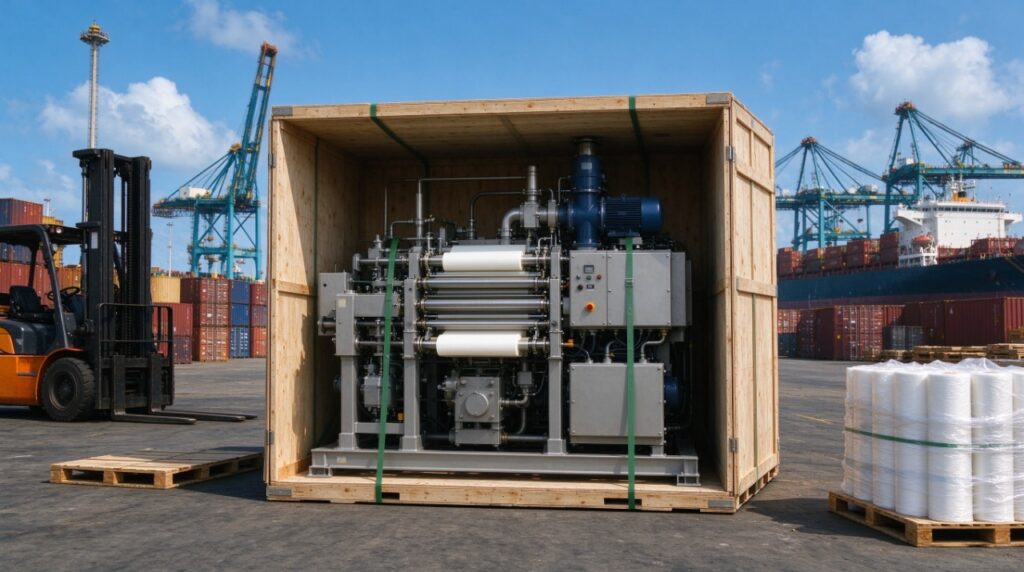
Many new soap factory owners in Ghana spend time comparing machine prices but underestimate the whole import process. Mistakes in documentation, shipping planning or machine specification can cause port delays, extra costs or equipment unsuitable for local operating conditions. If you intend to bring soap production equipment into Ghana, read these practical considerations before placing your order.
Pick soap machines suitable for Ghana operating conditions
Power stability is one of the biggest concerns for soap manufacturers across Ghana. Many regions face voltage fluctuations and occasional power cuts. When selecting soap making machines, prioritize equipment that can work under unstable power supply. Small and medium-scale soap lines (50–200kg/h) are most popular for Ghana startup soap plants.
Also consider spare parts availability. Choose machines with standard components so you can source replacement parts easily locally or from overseas suppliers. Avoid overly customized machinery with hard-to-get spare parts, which may stop your soap production for weeks.
Shipping and delivery timeline for soap machinery to Ghana
Most industrial soap machines ship by sea container to Tema Port. Sea freight usually takes several weeks, plus extra time for customs clearance and inland transport to your factory. You should build sufficient buffer time into your project schedule.
Container packing is critical. The machine should be well protected against moisture and rough handling during transit. Wooden export packing with waterproof wrapping is recommended. Confirm total machine dimension and weight in advance to avoid container space problems.
Required documents & customs clearance notes
Prepare all trade documents fully before shipment, including commercial invoice, packing list, bill of lading and product specification sheets.
Import regulations and conformity requirements change over time. Always consult your local Ghana import or customs agent to confirm the latest rules, certificates and duty information. Incorrect paperwork is the top cause of port hold-ups and unexpected charges.
Local installation, training and after-sales support
After your soap machine arrives, installation, commissioning and operator training determine whether you can start production smoothly. Confirm with your supplier about technical support options. Some suppliers offer remote video guidance or on-site technician service for Ghana projects.
Before shipment, discuss operation manuals. Make sure you receive English operation guides and maintenance instructions for your soap production line.
Common FAQ from Ghana soap machine buyers
- What capacity of soap making machine fits a new factory in Ghana? For new investors without large orders, small-scale soap lines from 50kg/h to 200kg/h are the most practical choice.
- How long does the whole import process take? Lead time combines machine manufacturing, sea shipping and port clearance; usually allow 2–4 months in total to be safe.
- Can I get spare parts after the machine arrives in Ghana? We provide spare part packages and long-term spare parts supply service for our clients in Ghana.
Conclusion + CTA
Importing soap making machinery to Ghana involves machine selection, logistics, paperwork and after-sales preparation. Good pre-order planning helps you reduce risks and get your soap factory running on schedule.